
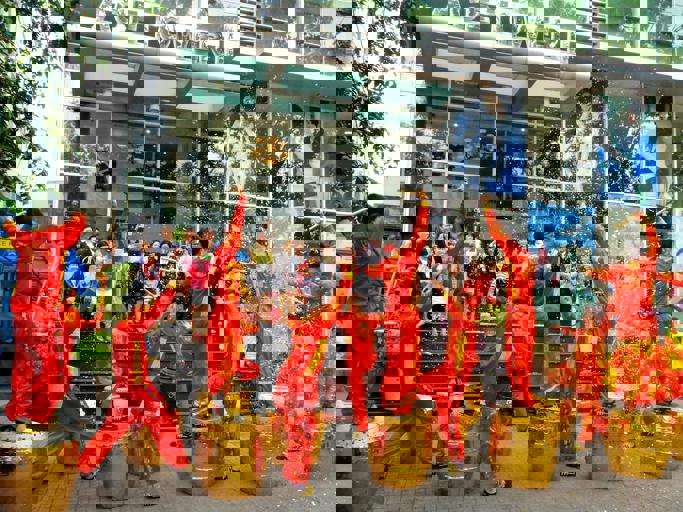
Downtown city streets took on a festive air this weekend as residents and visitors gathered for an event that blended creativity, performance, and community spirit. The Interactive Storytelling Parade, a new initiative celebrating local theatre and collective imagination, transformed the normally bustling thoroughfares into a moving festival stage. Organizers reported that hundreds participated, either as part of the parade or as enthusiastic audience members following its winding route.
The spectacle was unique not only for its vibrant costumes and expertly designed sets on wheels, but also for its interactive format. Performers, drawn from various theatre groups and community organizations, invited onlookers to join them in telling stories that ranged from traditional folktales to original scripts inspired by the city's history. Attendees were given props, simple lines to recite, and even roles in the unfolding narratives.
According to festival director Lara DeVries, the parade aimed to break down barriers between actors and audiences. “Community theatre thrives when everyone feels included, not just as viewers but as creators,” she said. DeVries explained that the parade route was planned to pass through diverse neighborhoods, allowing the event to become a tapestry of cultures, stories, and voices rarely united in such a lively, outdoor setting.
Participants of all ages could be seen donning whimsical hats, capes, and even makeshift armor as they were swept into storylines ranging from fairy-tale quests to contemporary dramas. One family, the Chans, described the parade as “the most fun we’ve had together in ages,” noting that they had never encountered live theatre in such an approachable and engaging format before. The opportunity to perform, even briefly, delighted both children and adults.
Local artist Aaron D’Souza, responsible for several mobile set pieces, emphasized the importance of collaborative creation. “We designed props and sets with durability, spontaneity, and surprise in mind,” D’Souza remarked. “Everything had to be simple enough for people to pick up and use, but visually striking to draw curiosity from passersby.” The resulting effect was a parade of color and sound that evolved organically as it made its way downtown.
The event also featured contributions from musicians, dancers, and spoken word artists, each weaving their art into the broader narrative. As the stories shifted from scene to scene, music punctuated dramatic moments, while dancers illustrated plot twists or character transformations. Spoken word artist Kendra Ng said, “It’s rare to perform where the audience literally walks with you. Their energy drives the story forward in unexpected ways.”
In an era where many arts organizations struggle to attract live audiences, the parade’s format offered a promising model. In addition to providing entertainment, organizers stressed the value of public art in fostering civic engagement. “When art comes to the people, outside the traditional stage and ticketed venue, you build stronger communities,” said DeVries. “It’s about reclaiming public space for creativity.”
Local businesses along the route also joined the festivities, decorating storefronts and offering themed treats or discounts. Café owner Maria Patel described a noticeable uptick in foot traffic during the event and praised the inclusive atmosphere. “You could sense neighbors talking more, visitors staying longer, and everyone really feeling part of something special,” Patel added. Many expressed hopes that the event would become an annual tradition.
Safety and accessibility were top priorities for organizers. Coordinators worked closely with city officials to ensure rerouted traffic and clear communication with emergency services. Wheelchair-accessible viewing spots and interpreters for the deaf and hard of hearing were stationed at key points, reflecting a broader effort to make the parade welcoming for all. These measures earned positive feedback from advocacy groups monitoring inclusive public events.
The positive energy created by the parade was evident throughout the city center, with impromptu performances sometimes springing up even in adjacent parks and plazas as the main procession passed by. Tourists paused to take photos, and many residents commented on the sense of unity and discovery that the event inspired. Arts council spokesperson Leo Sinclair pointed out that such projects can “revitalize urban life and remind us of our shared stories.”
A post-event survey by organizers indicated that over 80 percent of attendees felt more connected to their neighbors as a result of their participation. Several respondents noted that seeing familiar faces—shopkeepers, teachers, bus drivers—perform side by side with professional artists broke down long-standing social barriers. The survey results will inform future community projects, according to DeVries.
Critics and cultural analysts praised the event both for its innovative format and its positive impact on local morale. Community arts columnist James Roland wrote, “The Interactive Storytelling Parade proves that when art is immersive and participatory, it can draw together diverse groups in ways few other events can.” He suggested that cities seeking to combat urban isolation or revitalize their public spaces take note of this creative approach to community engagement and entertainment alike, emphasizing its replicability elsewhere if given public support and institutional backing from cultural organizations and city governments alike for long-term sustainability of such public festivals in urban centers across the country as well as globally in cities with similar demographics and challenges reducing social fragmentation through shared cultural practices and participatory arts activities in public spaces for all residents to enjoy equitably and inclusively round the year regardless of age, background or ability level participating together as one lively collective audience performer ensemble in motion throughout their unique shared cityscapes brought alive for a day or weekend of spontaneous storytelling, music, dance, drama and new social connections alike for generations to come if momentum is sustained locally and regionally as a cultural movement seeded by this pilot effort here first this summer downtown for all to see, hear and applaud in joyful public celebration together as a community moving forward, literally and figuratively, through art and story come alive in motion with everyone playing a part as audience and actor both in the grand parade of city life itself now reimagined interactively for all to join in the telling and making anew of what urban culture can be at its most inclusive and vibrant when put out into the open for all to see and share firsthand together in the spirit of civic joy, welcome and shared creativity for good measure and lasting impact beyond just one parade day or weekend alone as a starting point for more to come in Canada's dynamic and diverse urban heartlands across provinces and communities, large and small, for many years ahead, if shared goodwill and civic participation hold strong among residents, leaders and artists alike throughout the seasons ahead until next time the parade returns anew to downtown for another moving tale that captures the imagination and spirit of a city embracing its stories and each other on the open streets under the summer sky together, come rain or shine, for one and all continuing the tradition of storytelling in style and substance as a living legacy for all to enjoy, participate in and remember as their own part in the city's ongoing saga brought vibrantly to life before their eyes, voices, and smiles all marching together in step with the beat of the city’s heart.