
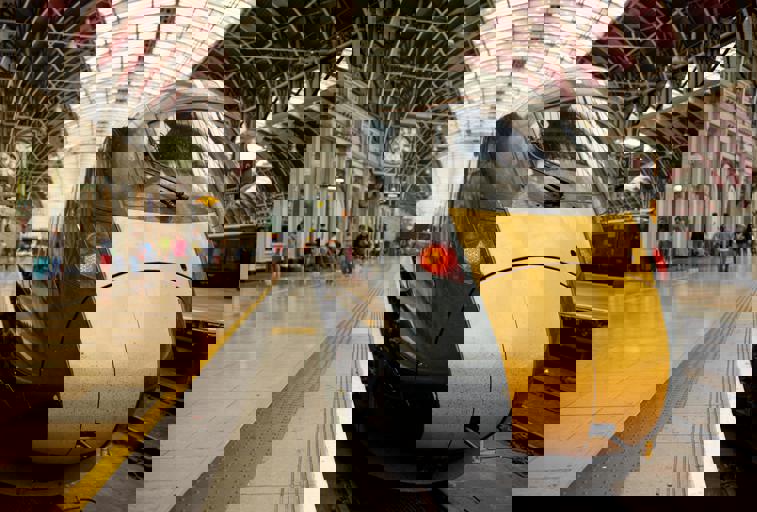
An early morning electrical fault threw the city’s transit system into chaos on Tuesday, stranding hundreds of commuters and halting major train lines during the peak rush hour. The abrupt power outage, which occurred just after 6:00 a.m., brought multiple transit services to a standstill, intensifying the daily routine for workers and students reliant on rapid public transportation.
Officials from the city’s transit authority stated that the disruption was traced to a critical substation near a main transfer hub. "We experienced a sudden power drop, which automatically activated safety protocols, stopping all trains in affected sections," said spokesperson Angela Liu during a press briefing. Liu emphasized that while passenger safety was their utmost concern, the fault highlighted vulnerabilities within the existing infrastructure.
Social media soon filled with images and videos of crowded platforms and delayed trains, as frustrated commuters voiced concerns over missed appointments and late arrivals. Many riders found themselves waiting in the cold morning air, with little information available about when services would resume. Some expressed dissatisfaction with the lack of timely updates from transit officials, whose system-wide alerts were reportedly delayed by several minutes.
Efforts to restore services began almost immediately as repair crews worked to identify and resolve the source of the failure. By mid-morning, partial service had resumed on several lines, though delays persisted throughout the rush hour. Engineers later reported that a component failure in a transformer was likely to blame, prompting suggestions that the system’s aging electrical infrastructure demands urgent modernization.
For many, the morning’s events exposed the fragility of the city’s transportation network. Transit analyst Marianne Broderick commented, "This incident is symptomatic of broader issues with deferred maintenance and underfunded upgrades." She warned that with increased ridership expected as the city continues to grow, similar events could become more frequent unless investments keep pace with demand.
Business leaders and employee groups both weighed in, noting the economic impact of such unanticipated disruptions. The Chamber of Commerce estimated that the ripple effect from even a single hour of widespread transit delay could cost local businesses thousands of dollars in lost productivity. "Reliable public transportation is critical for our workforce," Chamber president Shilpa Rao remarked, stressing the need for robust contingency planning.
Beyond immediate frustrations, some commuters took the ordeal in stride. Daniel Kim, an administrative assistant, said, "Transit hiccups happen, but I wish there were more options or better communication when they do." Others advocated for expanded shuttle bus services and requested clearer signage during disruptions. The event reignited debate about the city’s preparedness for emergencies impacting critical public infrastructure.
City councillors responded swiftly, calling for an urgent review of transit authority protocols and infrastructure investment. A council committee is set to convene next week to explore funding solutions for upgrades and to evaluate emergency communication systems. "Our residents deserve a safe, efficient, and resilient transit system," said Councillor Anjali Bardhan, who vowed to push for actionable reforms.
As normal service gradually resumed by midday, transit officials issued apologies even as frustrated commuters called for long-term improvements. While investigations into the electrical failure continue, public attention has shifted toward the future resiliency of the city’s essential networks. Tuesday’s incident stands as a stark reminder of the pressing need to strengthen and modernize vital transportation infrastructure in the wake of growing urban demands.